Canadian Vocational and ICT Academy Inc
Canadian Vocational and ICT Academy Inc
Course Title: Comprehensive Training on Breast and Colorectal Health
The “Comprehensive Training on Breast and Colorectal Health” program offered by Canadian Vocational and ICT Academy Inc. is an extensive and specialized course designed to equip healthcare professionals, medical practitioners, students, and individuals interested in preventive healthcare with in-depth knowledge and practical skills related to breast and colorectal health. This course provides a well-rounded understanding of the anatomy, physiology, pathology, diagnostic techniques, and treatment options associated with breast and colorectal conditions, including cancer and other related disorders. The program delves into crucial topics such as the epidemiology of breast and colorectal diseases, risk factors, screening methods, early detection strategies, and the latest advancements in diagnostic imaging, including mammography, ultrasound, MRI, and colonoscopy. It also covers the significance of genetic predisposition, lifestyle factors, and preventive measures that play a critical role in reducing the incidence of these diseases. Participants will gain practical insights into clinical breast examinations, self-breast examination techniques, and interpretation of diagnostic test results, along with an understanding of colorectal cancer screening protocols such as fecal immunochemical tests (FIT), sigmoidoscopy, and biopsy procedures. The course also highlights the importance of interdisciplinary collaboration in patient care, covering the roles of oncologists, radiologists, surgeons, pathologists, and other healthcare professionals in the management and treatment of breast and colorectal diseases. Furthermore, the program explores the latest medical and surgical treatment approaches, including chemotherapy, radiation therapy, targeted therapies, and minimally invasive surgical techniques for both breast and colorectal conditions. Special emphasis is placed on patient education, psychological support, palliative care, and survivorship planning, ensuring that healthcare professionals are well-prepared to provide compassionate and holistic care to patients. Additionally, the course incorporates real-world case studies, interactive discussions, and hands-on training sessions that enable participants to apply theoretical knowledge in clinical settings. With a focus on evidence-based practices, ethical considerations, and emerging trends in the field, this training ensures that participants are equipped with up-to-date information and best practices for early detection, diagnosis, and management of breast and colorectal diseases. The program is structured to accommodate diverse learning needs, offering a blend of online and in-person sessions, including live lectures, video demonstrations, practical workshops, and assessments to reinforce learning outcomes. Upon successful completion of the course, participants will receive a certification from Canadian Vocational and ICT Academy Inc., signifying their proficiency in breast and colorectal health, which can enhance career prospects in healthcare, oncology, medical imaging, and allied health professions. This comprehensive training serves as a valuable resource for individuals seeking to expand their expertise in preventive healthcare, early disease detection, and patient-centered management of breast and colorectal conditions. With a strong emphasis on knowledge application and skill development, this program ensures that healthcare professionals and students alike are empowered to make a meaningful impact in promoting early diagnosis, effective treatment, and improved patient outcomes in breast and colorectal health.
Target Audience:
- General practitioners (MBBS holders)
- Postgraduate trainees in surgery, oncology, and gastroenterology
- Nurses and allied healthcare professionals specializing in surgical and oncological care
Duration:
- Basic Level: 3 months
- Advanced Level: 6-12 months
Mode of Delivery:
- Hybrid: Online lectures, in-person workshops, and clinical rotations
- Hands-on training, case discussions, and community outreach activities
Course Objectives:
- Enhance skills for the early detection and management of breast and colorectal conditions.
- Train participants in advanced diagnostic and surgical techniques.
- Promote awareness and prevention strategies for breast and colorectal cancers.
- Encourage multidisciplinary approaches in patient care.
Course Modules:
Module 1: Anatomy and Physiology (Month 1)
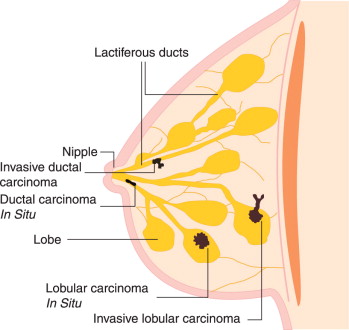
- Anatomy of the breast and colorectal regions
- Physiology of the mammary glands and colorectal system
- Pathophysiology of common diseases
Module 2: Common Breast and Colorectal Conditions (Month 2)
- Breast Health:
- Benign breast conditions (fibroadenomas, mastitis)
- Breast cancer: Epidemiology, risk factors, and early detection
- Colorectal Health:
- Hemorrhoids, anal fissures, and abscesses
- Inflammatory bowel disease (IBD): Crohn’s disease, ulcerative colitis
- Colorectal cancer
Module 3: Diagnostic Approaches (Month 3)
- Breast Diagnostics:
- Clinical breast examination (CBE)
- Imaging techniques: Mammography, ultrasound, MRI
- Fine-needle aspiration cytology (FNAC) and core needle biopsy
- Colorectal Diagnostics:
- Endoscopy and colonoscopy techniques
- Imaging: CT colonography and MRI
- Histopathological examination of colorectal biopsies
Module 4: Treatment Modalities for Breast Diseases (Months 4-5)
- Surgical Techniques:
- Breast-conserving surgery (BCS)
- Mastectomy and reconstructive options
- Axillary lymph node dissection and sentinel node biopsy
- Non-Surgical Interventions:
- Hormonal therapy, chemotherapy, and radiation therapy
- Role of targeted therapies (e.g., HER2 inhibitors)
Module 5: Treatment Modalities for Colorectal Diseases (Months 6-7)
- Surgical Techniques:
- Resection for colorectal cancer (open and laparoscopic)
- Management of stomas: Colostomy and ileostomy care
- Procedures for benign conditions (e.g., hemorrhoidectomy)
- Non-Surgical Interventions:
- Chemotherapy and immunotherapy for colorectal cancer
- Management of IBD with biologic therapies
Module 6: Multidisciplinary Management (Month 8)
- Team-based approaches for breast and colorectal cancer care
- Integrating surgery, oncology, radiology, and pathology
- Role of palliative care in advanced cases
Module 7: Prevention and Public Health Strategies (Month 9)
- Breast Cancer:
- Breast self-examination (BSE) and public awareness programs
- Screening strategies tailored to Bangladesh (low-cost mammography)
- Colorectal Cancer:
- Awareness campaigns for early symptoms (rectal bleeding, altered bowel habits)
- Fecal occult blood tests (FOBT) and colonoscopy screening
Module 8: Research, Innovations, and Future Trends (Month 10)
- Advances in imaging and diagnostic techniques
- Role of AI and telemedicine in early detection
- Innovations in surgical techniques and minimally invasive therapies
Practical Components:
- Clinical Rotations:
- Work in breast and colorectal clinics and surgical wards
- Assist in diagnostic procedures like biopsies and colonoscopies
- Hands-On Workshops:
- Training on FNAC, core biopsy, and endoscopy
- Breast-conserving surgery and laparoscopic colorectal procedures
- Community Outreach:
- Participation in breast cancer screening camps
- Educating the public on colorectal cancer prevention
- Case Discussions and Multidisciplinary Team Meetings:
- Weekly case reviews with oncologists, radiologists, and surgeons
Assessment and Certification:
- Basic Level:
- Written exams (MCQs and case scenarios)
- Clinical skill assessments (e.g., CBE, endoscopy techniques)
- Advanced Level:
- Final comprehensive exam (theoretical and practical)
- Submission of a research project or case portfolio
- Viva voce with senior faculty
For More information Please Contact
Email: registrar@cvia.ca
Canadian Vocational and ICT Academy Inc