Canadian Vocational and ICT Academy Inc
Canadian Vocational and ICT Academy Inc
Course Title: Comprehensive Training on Cardiology
Comprehensive Training on Cardiology is an in-depth program conducted by Canadian Vocational and ICT Academy Inc., designed to provide healthcare professionals, medical students, and aspiring cardiology specialists with a thorough understanding of cardiovascular health, diseases, diagnostics, and treatments. This intensive course covers essential topics such as cardiac anatomy and physiology, electrocardiography (ECG) interpretation, heart failure management, coronary artery disease, arrhythmias, hypertension, valvular heart disorders, and advanced cardiac care procedures. Participants will gain hands-on experience through practical training sessions, case studies, and interactive workshops, ensuring they develop the necessary skills to assess, diagnose, and manage various cardiac conditions effectively. The curriculum also delves into the latest advancements in cardiology, including interventional cardiology techniques, cardiac imaging modalities, and pharmacological interventions. With a strong emphasis on evidence-based practices, the course integrates theoretical knowledge with clinical applications, preparing learners to handle real-world cardiology challenges confidently. Additionally, the program explores preventive cardiology, lifestyle modifications, and patient education strategies to enhance overall cardiovascular health. Delivered by experienced cardiologists and healthcare educators, this training is tailored to meet industry standards and align with current medical guidelines. Whether aiming to refine existing expertise or build a strong foundation in cardiology, participants will benefit from a well-structured and engaging learning experience. By the end of the course, graduates will be equipped with the essential knowledge and competencies required to excel in the dynamic field of cardiology, contributing effectively to patient care and cardiovascular disease management.
Target Audience:
- MBBS graduates and general practitioners
- Postgraduate medical trainees (internal medicine, cardiology, or related specialties)
- Nurses and allied healthcare professionals specializing in cardiac care
Duration:
- Basic Level: 3 months
- Advanced Level: 6-12 months
Mode of Delivery:
- Hybrid (online lectures and in-person training)
- Interactive workshops, clinical rotations, and simulations
Course Objectives:
- Develop a strong foundation in cardiovascular anatomy, physiology, and pathology.
- Train participants to diagnose and manage common and complex cardiovascular conditions.
- Enhance skills in advanced cardiovascular diagnostic tools and interventional techniques.
- Promote preventive cardiology and community-based heart health initiatives.
Course Modules:
Module 1: Fundamentals of Cardiology (Month 1)
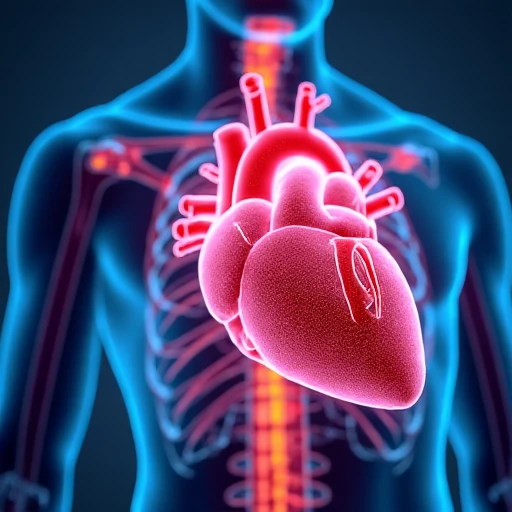
- Anatomy and physiology of the heart and vascular system
- Pathophysiology of cardiovascular diseases (CVD)
- Epidemiology of CVD in Bangladesh
Module 2: Diagnostic Tools in Cardiology (Month 2)
- Electrocardiography (ECG): Interpretation of normal and abnormal patterns
- Echocardiography: Basics and advanced techniques (e.g., Doppler imaging)
- Cardiac Imaging: Chest X-ray, CT, MRI, and nuclear cardiology
- Invasive Diagnostics: Cardiac catheterization and coronary angiography
Module 3: Common Cardiovascular Diseases (Months 3-4)
- Ischemic Heart Disease (IHD):
- Acute coronary syndrome (ACS)
- Chronic stable angina
- Heart Failure:
- Diagnosis, classification, and management
- Devices: CRT (Cardiac Resynchronization Therapy) and ICD (Implantable Cardioverter Defibrillator)
- Hypertension:
- Guidelines-based management and complications
- Arrhythmias:
- Atrial fibrillation, ventricular tachycardia, bradycardias, and pacemaker basics
Module 4: Interventional Cardiology (Months 5-6)
- Coronary Artery Interventions:
- Percutaneous coronary intervention (PCI) and stenting
- Management of complications during PCI
- Structural Heart Disease:
- Techniques for valvuloplasty and TAVI (Transcatheter Aortic Valve Implantation)
- Peripheral Interventions:
- Angioplasty for peripheral vascular diseases
- Endovascular procedures
Module 5: Pediatric Cardiology (Month 7)
- Congenital heart diseases (CHD): Types, diagnosis, and management
- Pediatric arrhythmias and rheumatic heart disease
- Surgical and non-surgical treatment options for CHD
Module 6: Preventive Cardiology and Lifestyle Medicine (Month 8)
- Risk factor management: Diabetes, obesity, dyslipidemia, and smoking
- Role of diet, exercise, and stress management in cardiovascular health
- Community awareness programs for heart disease prevention
Module 7: Advanced Cardiac Care (Months 9-10)
- Critical Care Cardiology:
- Management of cardiogenic shock and cardiac arrest
- Post-ACS care in intensive cardiac units
- Cardiothoracic Surgery:
- Basics of coronary artery bypass grafting (CABG)
- Valve replacement and repair surgeries
- Heart Transplant and Artificial Hearts:
- Emerging trends and ethical considerations
Module 8: Research and Innovations in Cardiology (Month 11)
- Updates on cardiovascular research and treatment guidelines
- Introduction to clinical trials in cardiology
- Role of artificial intelligence and telemedicine in cardiac care
Practical Components:
- Clinical Rotations:
- Cardiology outpatient and inpatient departments
- Participation in cardiac critical care units and cath labs
- Workshops and Hands-On Training:
- ECG and echocardiography interpretation
- Simulated PCI and angiography procedures
- Basic life support (BLS) and advanced cardiac life support (ACLS) training
- Case Discussions and Multidisciplinary Meetings:
- Weekly discussion of complex cases
- Collaboration with cardiac surgeons, radiologists, and primary care teams
- Community Engagement:
- Conducting cardiovascular health camps
- Educating communities on risk factors and early symptoms
Assessment and Certification:
- Basic Level:
- Written and oral exams (MCQs and case-based questions)
- Clinical skills assessment through OSCE
- Advanced Level:
- Final exam (theoretical and practical components)
- Submission of a case portfolio or research project
Viva voce with senior cardiologists
For More information Please Contact
Email: registrar@cvia.ca
Canadian Vocational and ICT Academy Inc