
Canadian Vocational and ICT Academy Inc
Canadian Vocational and ICT Academy Inc
Course Title: Comprehensive Training on Liver and Pancreatic Health
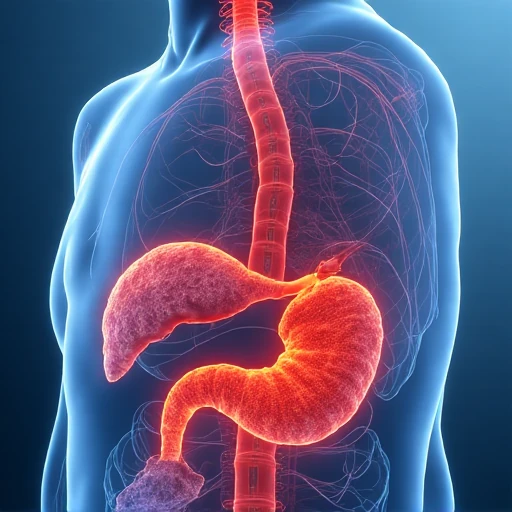
The “Comprehensive Training on Liver and Pancreatic Health” offered by Canadian Vocational and ICT Academy Inc. is an in-depth program designed for healthcare professionals, medical students, and individuals interested in understanding the complexities of liver and pancreatic function, diseases, diagnostics, and treatment approaches. This course covers the fundamental and advanced concepts of hepatology and pancreatic health, emphasizing anatomy, physiology, pathology, and clinical management of related disorders. Participants will gain insights into common liver conditions such as hepatitis, fatty liver disease, cirrhosis, liver failure, and liver cancer, as well as pancreatic disorders including pancreatitis, pancreatic cancer, and endocrine dysfunctions such as diabetes. The course delves into the latest advancements in medical diagnostics, including imaging techniques (ultrasound, MRI, CT scans), liver function tests, and biomarkers for pancreatic diseases. Students will explore cutting-edge treatment modalities, including pharmacological interventions, surgical procedures, liver transplantation, and emerging regenerative medicine strategies. In addition to disease management, the course highlights the significance of preventive healthcare, nutrition, and lifestyle modifications in maintaining liver and pancreatic health. Participants will also be introduced to the role of medical research and innovation in improving patient outcomes. With a strong emphasis on practical knowledge, this program integrates case studies, clinical scenarios, and expert discussions to enhance learning and application in real-world medical settings. Through interactive lectures, hands-on workshops, and assessments, learners will develop a comprehensive understanding of hepatopancreatology, making them well-equipped to contribute effectively in healthcare settings. This course is ideal for medical practitioners, nurses, nutritionists, biomedical researchers, and healthcare students aiming to expand their expertise in liver and pancreatic health. Canadian Vocational and ICT Academy Inc. ensures a high-quality learning experience with expert instructors, up-to-date course materials, and a curriculum aligned with the latest medical guidelines and research. By the end of the course, participants will be empowered with the knowledge and skills to diagnose, manage, and prevent liver and pancreatic diseases, ultimately improving patient care and health outcomes.
Target Audience:
- MBBS graduates and general practitioners
- Postgraduate trainees in gastroenterology, hepatology, and surgery
- Nurses and allied healthcare professionals specializing in gastrointestinal care
Duration:
- Basic Level: 3 months
- Advanced Level: 6-12 months
Mode of Delivery:
- Hybrid: Online lectures, in-person workshops, clinical rotations, and case discussions
Course Objectives:
- Develop a solid understanding of the anatomy, physiology, and pathology of liver and pancreas-related conditions.
- Enhance diagnostic and interventional skills for managing liver and pancreatic diseases.
- Foster a multidisciplinary approach to treatment and management.
- Promote public health awareness and prevention strategies for hepatitis, pancreatitis, and related diseases.
Course Modules:
Module 1: Anatomy and Physiology of Liver and Pancreas (Month 1)
- Anatomy and vascular structure of the liver and pancreas
- Functions of the liver: Metabolism, detoxification, and bile production
- Role of the pancreas in digestion and endocrine regulation
Module 2: Common Liver Diseases (Month 2)
- Hepatitis (A, B, C, D, E): Causes, prevention, and treatment
- Cirrhosis: Etiology, complications (e.g., portal hypertension, ascites)
- Liver abscesses: Amoebic and pyogenic causes
- Non-alcoholic fatty liver disease (NAFLD) and alcoholic liver disease
Module 3: Common Pancreatic Diseases (Month 3)
- Acute and chronic pancreatitis: Causes, complications, and management
- Pancreatic cysts and pseudocysts
- Exocrine pancreatic insufficiency and malabsorption syndromes
- Pancreatic cancer: Risk factors, diagnosis, and treatment
Module 4: Diagnostic Tools and Techniques (Month 4)
- Liver Diagnostics:
- Liver function tests (LFTs) and viral markers for hepatitis
- Imaging techniques: Ultrasound, CT, MRI, FibroScan
- Liver biopsy: Indications and techniques
- Pancreatic Diagnostics:
- Serum amylase and lipase testing
- Endoscopic retrograde cholangiopancreatography (ERCP)
- Endoscopic ultrasound (EUS)
Module 5: Treatment Modalities for Liver Diseases (Months 5-6)
- Hepatitis Management:
- Antiviral therapies for hepatitis B and C
- Vaccination strategies for hepatitis A and B
- Cirrhosis and its Complications:
- Ascites and variceal bleeding management
- Hepatic encephalopathy: Diagnosis and treatment
- Liver transplantation basics
- Liver Cancer (Hepatocellular Carcinoma):
- Ablative therapies (RFA, TACE)
- Surgical and non-surgical options
Module 6: Treatment Modalities for Pancreatic Diseases (Months 7-8)
- Acute Pancreatitis:
- Fluid management and nutritional support
- Management of complications: Necrosis, abscess formation
- Chronic Pancreatitis:
- Pain management and enzyme replacement therapy
- Surgical options: Pancreaticojejunostomy
- Pancreatic Cancer:
- Chemotherapy and radiation therapy
- Surgical interventions: Whipple procedure
Module 7: Pediatric Liver and Pancreatic Diseases (Month 9)
- Neonatal jaundice and biliary atresia
- Pediatric hepatitis and liver failure
- Cystic fibrosis-related pancreatic disorders
Module 8: Prevention and Public Health Strategies (Month 10)
- Public awareness campaigns for hepatitis prevention
- Screening programs for high-risk populations (hepatitis and pancreatic cancer)
- Nutritional counseling for liver and pancreatic health
Module 9: Research and Innovations in Hepato-Pancreatic Care (Month 11)
- Advances in imaging and diagnostic modalities
- Role of minimally invasive surgery and endoscopy
- Innovations in liver transplantation techniques
Practical Components:
- Clinical Rotations:
- Exposure to liver and pancreatic outpatient clinics and inpatient wards
- Hands-on training in diagnostic procedures (e.g., liver biopsy, ERCP)
- Workshops and Simulations:
- Ultrasound-guided liver biopsy techniques
- Endoscopic procedures (e.g., ERCP, EUS)
- Laparoscopic and open surgical techniques for liver and pancreatic diseases
- Case-Based Learning:
- Discussion of complex cases with multidisciplinary teams
- Weekly grand rounds for liver and pancreatic disorders
- Community Engagement:
- Participation in hepatitis vaccination drives
- Public health education for prevention of liver and pancreatic diseases
Assessment and Certification:
- Basic Level:
- Written exams (MCQs and short-answer questions)
- OSCE (Objective Structured Clinical Examination) on diagnostic techniques
- Advanced Level:
- Comprehensive written and oral exams
- Submission of a research project or case report
- Final viva voce with senior faculty
For More information Please Contact
Email: registrar@cvia.ca
Canadian Vocational and ICT Academy Inc